
How Al Eiman Helped a UAE Project Meet Its Requirements with Professional Aluminium Fabrication in Abu Dhabi
Situation
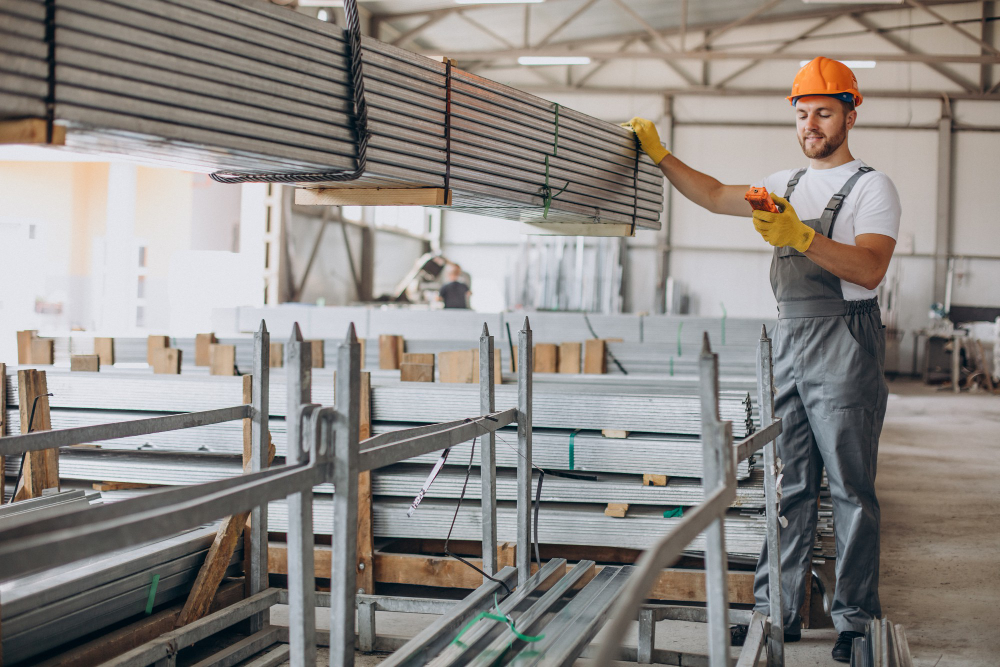
Aluminium is widely used across construction, architectural, industrial, and infrastructure projects because it offers a practical combination of durability, versatility, and design flexibility. However, when a project requires components with specific dimensions, shapes, or functional requirements, standard aluminium products may not always be suitable. This makes selecting the right partner among the aluminium fabrication companies in Abu Dhabi an important part of project planning.
The project required a professional fabrication solution that could accommodate its aluminium requirements while maintaining accuracy, quality, and suitability for the intended application. The client needed a fabrication partner capable of understanding project specifications, assessing the technical requirements, and carrying out the required work through an organised fabrication process. Al Eiman Steel Fabrication was selected to support the requirement with its aluminium fabrication capabilities, technical workforce, workshop infrastructure, and precision cutting facilities.
Programming, Workflow, and Quality Assurance
- Industry / Segment: Construction / Industrial / Architectural
- Location: Abu Dhabi, UAE
- Project Type: UAE-based fabrication requirement
- Required Service: Aluminium fabrication
- Requirement: Custom-fabricated aluminium components
- Key Priorities: Accuracy, quality, reliability, and suitability
- Service Provider: Al Eiman Steel Fabrication
The requirement was suited to a fabrication company that could work according to project-specific specifications rather than simply supplying ready-made aluminium products. Al Eiman operates from Mussaffah Industrial Area in Abu Dhabi and provides fabrication services covering aluminium, stainless steel, mild steel, structural fabrication, and other industrial requirements.
Main Problems Faced by the Client
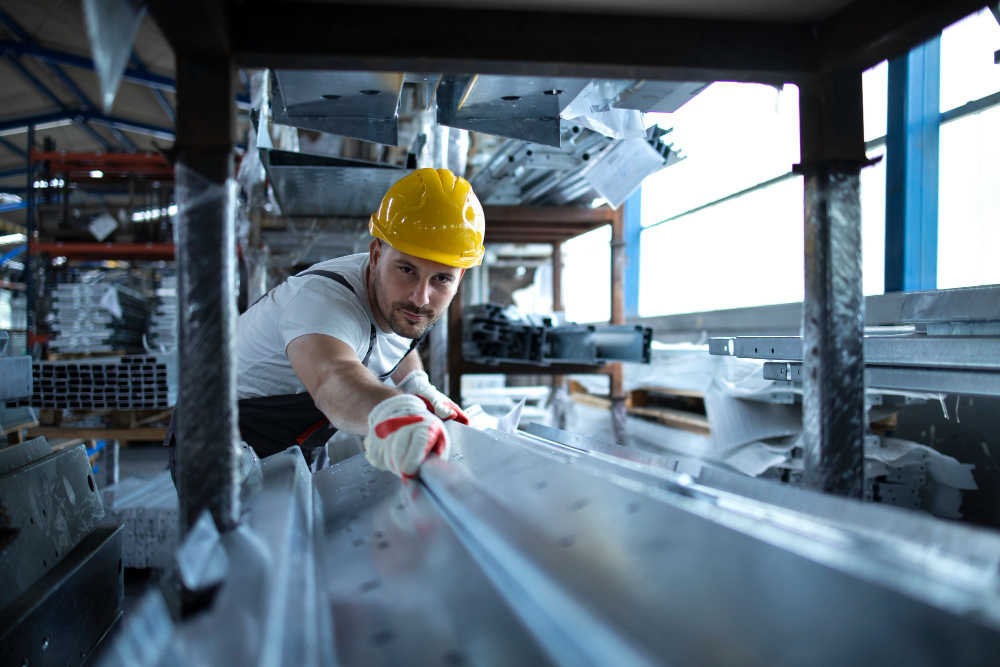
The primary challenge was finding a suitable fabrication partner capable of managing aluminium work according to the requirements of the project. For project-specific fabrication, factors such as material handling, accurate cutting, dimensions, fabrication quality, and the ability to interpret technical information can directly affect the usability of the finished components.
The client needed a solution that addressed several practical requirements:
- Identifying reliable aluminium fabricators in Abu Dhabi
- Producing aluminium components according to project specifications
- Accommodating customised dimensions and designs
- Selecting suitable fabrication techniques
- Ensuring consistent workmanship
- Supporting project coordination and communication
- Maintaining quality before completion and delivery
These considerations made it important to work with a fabrication company that had the appropriate equipment, technical personnel, and experience to handle customised aluminium requirements.
Project Objectives
The project was planned around the need for a dependable aluminium fabrication solution that could meet the intended application and project specifications. Instead of treating the requirement as a standard supply order, the focus was placed on understanding the project before deciding on the appropriate fabrication approach.
The main objectives included:
- Assess the client's aluminium fabrication requirement.
- Understand the intended application and technical specifications.
- Review drawings, dimensions, and available project information.
- Recommend an appropriate fabrication approach.
- Provide customised aluminium fabrication where required.
- Maintain accuracy during cutting and fabrication.
- Use suitable CNC technology for precision requirements.
- Conduct quality checks during the fabrication process.
- Coordinate the completed work according to project requirements.
The overall objective was to provide aluminium fabrication services that balanced technical requirements with practical project needs.
Solutions Implemented by Al Eiman Steel Fabrication
Al Eiman approached the requirement through a structured fabrication process beginning with an understanding of the project specifications. The company’s fabrication capabilities include aluminium work as well as stainless steel and structural fabrication, allowing it to support different requirements within construction and industrial environments.
The solution included:
Initial Consultation
Understanding the client's project requirements and expectations.
Custom Aluminium Fabrication
Producing components according to the project's requirements.
Quality Control
Reviewing fabricated components for workmanship and required specifications.
Technical Evaluation:
Determining the appropriate fabrication and cutting approach.
Custom Aluminium Fabrication
Producing components according to the project's requirements.
Coordination
Maintaining communication during the fabrication process and preparing the completed work for delivery or project integration.
Requirement Assessment
Reviewing dimensions, designs, applications, and available technical information.
Professional Workshop Fabrication
Using trained personnel and established workshop processes.
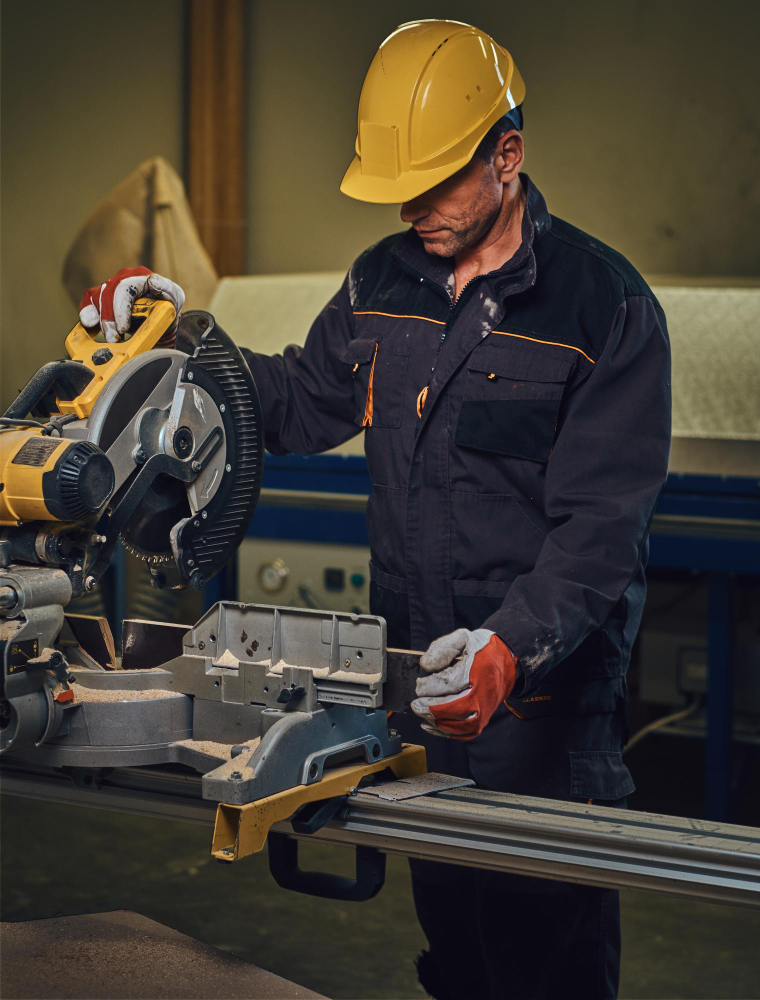
Al Eiman’s documented capabilities include CNC waterjet cutting and high-definition plasma cutting. Its waterjet technology can process aluminium and other metals, while its plasma cutting service can work from AutoCAD drawings for aluminium, stainless steel, and mild steel applications.
Step-by-Step Execution
Step 1: Understanding the Project Requirement
The first stage involved understanding what the project required from the aluminium fabrication process. This included considering the intended application, component requirements, dimensions, design details, and other available specifications.
A clear understanding of the requirement helped establish the basis for the subsequent fabrication stages. It also helped ensure that the selected approach was aligned with the intended use of the finished components.
Step 3: Selecting the Appropriate Fabrication Method
Once the requirements were assessed, the appropriate fabrication method was considered based on the material and application. Different fabrication requirements may call for different cutting or processing methods.
Al Eiman's workshop is supported by CNC waterjet and plasma cutting capabilities. Its waterjet equipment is suitable for aluminium and other metals and uses high-pressure water with abrasive cutting technology. This provides an option for projects requiring detailed and accurate cutting.
Step 5: Custom Aluminium Fabrication
The required components were then fabricated according to the established project requirements. Custom fabrication provides flexibility when standard products do not match the required dimensions, design, or application.
Al Eiman's published fabrication capabilities include aluminium applications such as windows, doors, balustrades, stairs, and specialised products. The company also states that it provides bespoke design and fabrication services according to individual client requirements.
Step 7: Final Coordination and Delivery
Once the fabrication work was completed and checked, the components could be prepared for delivery or further integration into the wider project. Coordination at this stage helps ensure that completed fabrication work is handled according to project requirements.
Al Eiman highlights communication, cooperation, teamwork, and coordination as part of its approach to working with clients and project stakeholders. These factors support smoother project execution, particularly when fabrication forms one part of a larger construction or industrial project.
Step 2: Reviewing Technical Information
The next stage involved reviewing the available drawings and technical details. For customised fabrication, drawings and measurements provide important information about the required shape, dimensions, profiles, and cutting requirements.
Where digital drawings were applicable, they could be incorporated into Al Eiman's CNC cutting workflow. The company's high-definition plasma cutting service supports AutoCAD drawings, enabling profiles to be cut according to digital specifications.
Step 4: Preparing the Aluminium Components
The aluminium material was prepared according to the required dimensions and fabrication specifications. Proper preparation is an important part of achieving consistency during subsequent fabrication stages.
Where precision cutting was required, CNC technology could be incorporated into the workflow. This helps reduce reliance on manual cutting for profiles and shapes that require controlled dimensions.
Step 6: Quality Control
Quality checks formed an important part of the fabrication workflow. Fabricated components need to be reviewed to ensure that the workmanship and dimensions correspond with the requirements established during the planning stage.
Al Eiman states that its fabrication operations are supported by experienced engineers and skilled personnel. The company also maintains ISO 9001:2015 certification for its Quality Management System, supporting its structured approach to quality management.
Client Result Achieved & Feedback
The publicly available information does not disclose the specific client name, project value, quantity of aluminium fabricated, exact completion period, cost savings, or measurable performance improvements associated with this particular requirement. Therefore, no unsupported statistics, percentages, project timelines, or client quotations have been added to the case study.
Based on Al Eiman’s documented capabilities, the requirement was approached through customised fabrication supported by technical assessment, precision cutting options, workshop expertise, and quality-focused procedures. The approach provided a practical way to address aluminium fabrication requirements while keeping the work aligned with the project’s specifications.
Why Al Eiman for Aluminium Fabrication in Abu Dhabi?
When evaluating aluminium fabrication companies in Abu Dhabi, businesses may need to consider more than the availability of aluminium fabrication alone. The ability to understand technical requirements, provide customised solutions, use appropriate equipment, and maintain quality throughout production can be equally important.
Al Eiman offers several capabilities relevant to project-specific aluminium fabrication:
Custom fabrication:
Solutions developed according to individual project requirements.
Technical workforce:
Engineers, welders, and skilled workshop personnel.
Multiple fabrication capabilities:
Aluminium, stainless steel, mild steel, structural fabrication, and related services.
Aluminium fabrication:
Capability to fabricate aluminium components for different applications.
High-definition plasma cutting:
CNC cutting based on digital drawings.
Industrial experience:
Services supporting construction, oil and gas, desalination, power plants, and architectural sectors.
CNC waterjet cutting:
Precision cutting capability for aluminium and other metals.
Quality management:
ISO 9001:2015 Quality Management System certification.
Abu Dhabi location:
Workshop operations based in Mussaffah Industrial Area 11, Abu Dhabi.
This combination allows Al Eiman to approach aluminium fabrication as part of a broader industrial fabrication capability rather than as an isolated service.
Aluminium Fabrication Applications
The versatility of aluminium allows it to be used across a range of construction and architectural applications. Depending on project requirements, aluminium fabrication can involve components that contribute to functionality, access, appearance, or structural support.
Al Eiman’s published information identifies several aluminium-related applications, including:
- Aluminium windows
- Aluminium doors
- Balustrades
- Stairs
- Specialised aluminium products
- Custom-fabricated components
- Architectural aluminium work
The appropriate fabrication method depends on the application, design, dimensions, and technical specifications of the project. This is why an assessment-led approach can be valuable when selecting aluminium fabrication Abu Dhabi services.
The Role of Precision Technology
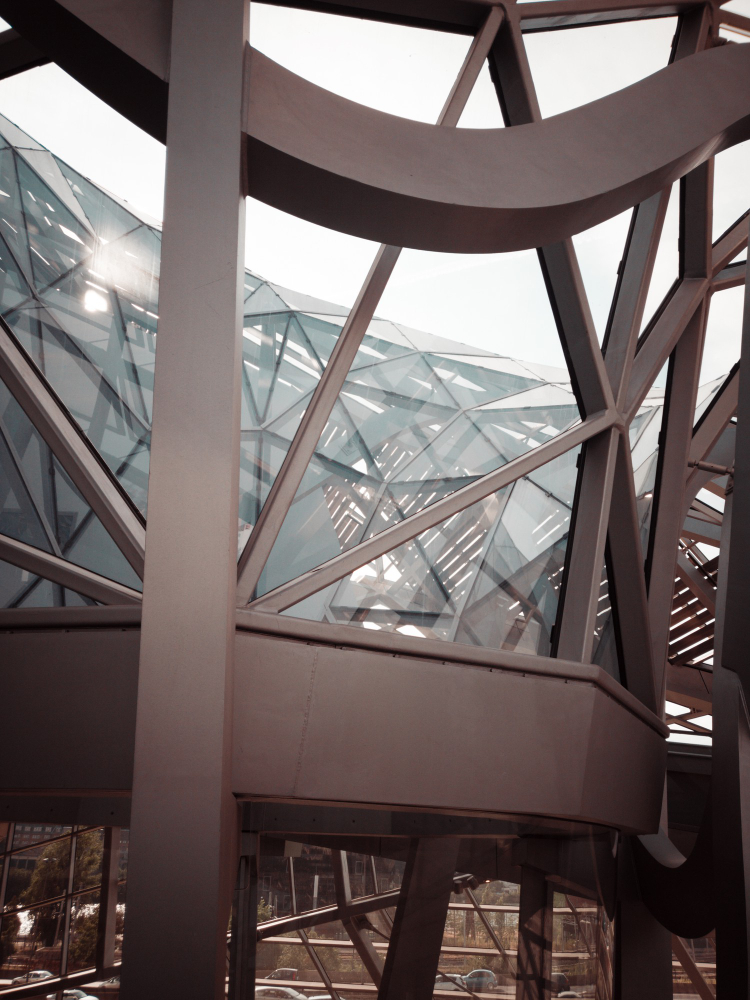
Modern fabrication technology can play an important role when aluminium components require accurate shapes, profiles, or dimensions. CNC equipment allows digital drawings and programmed cutting processes to be incorporated into fabrication workflows.
Al Eiman provides both CNC waterjet and high-definition plasma cutting capabilities. Its waterjet system is designed for cutting aluminium and other metals, while its plasma cutting service supports AutoCAD-based cutting requirements. Having access to these technologies gives the fabrication team different options depending on the material and application.
The Outcome
The project requirement was addressed through a structured aluminium fabrication process focused on understanding specifications, selecting appropriate fabrication methods, producing customised components, and maintaining quality throughout the workflow. Rather than relying on standardised aluminium products, the approach allowed the fabrication work to be aligned with the project’s specific needs.
For businesses searching for professional aluminium fabrication services in Abu Dhabi, the project demonstrates the importance of combining technical assessment with suitable workshop capabilities. Al Eiman’s aluminium fabrication, CNC cutting, engineering support, and quality management capabilities provide a foundation for handling varied fabrication requirements.